Shopping Cart




Outdoor Education: The Importance of Playing Outdoors
Outdoor Education: The Importance of Playing Outdoors
by Federica Pepe, @mammainsvezia
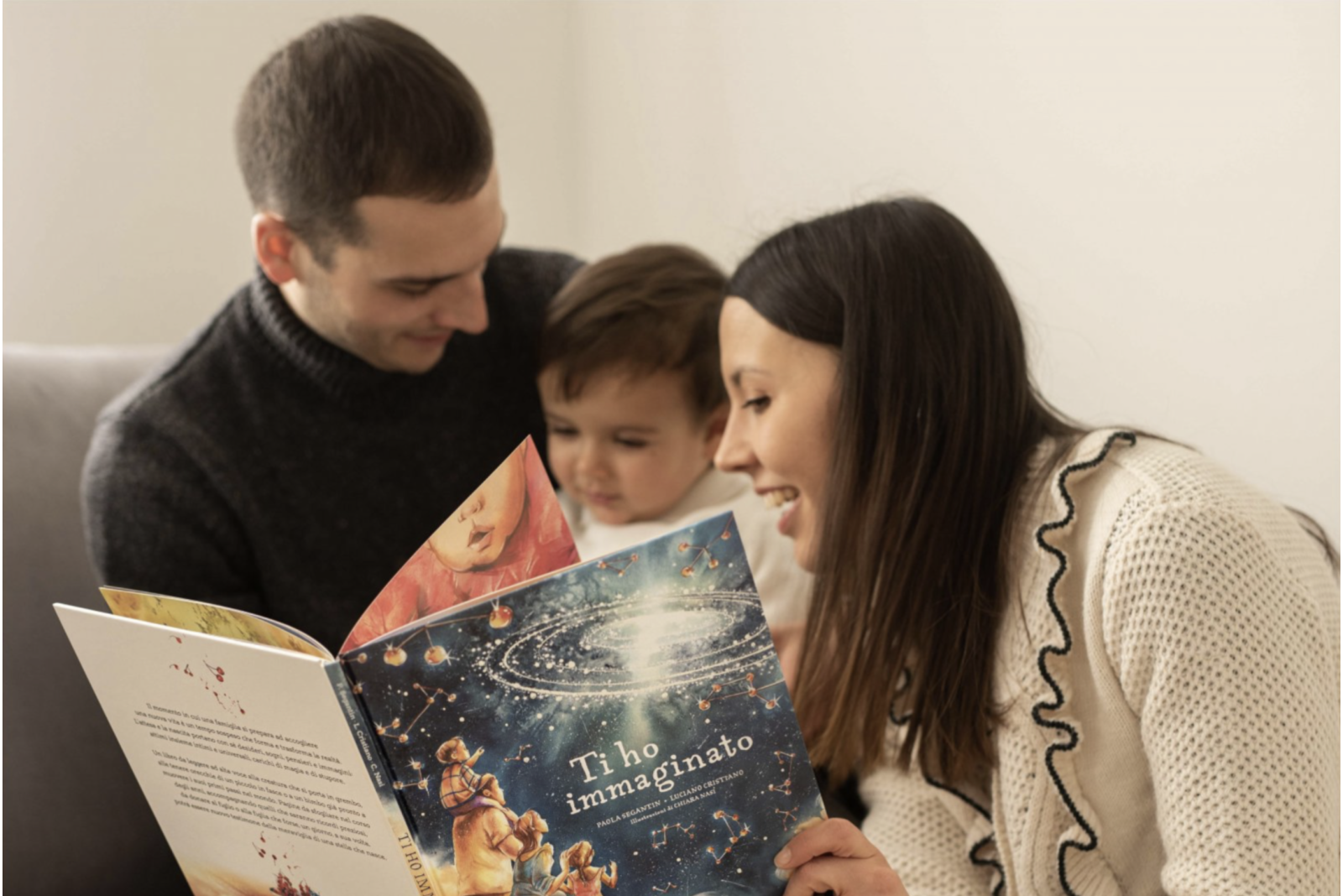
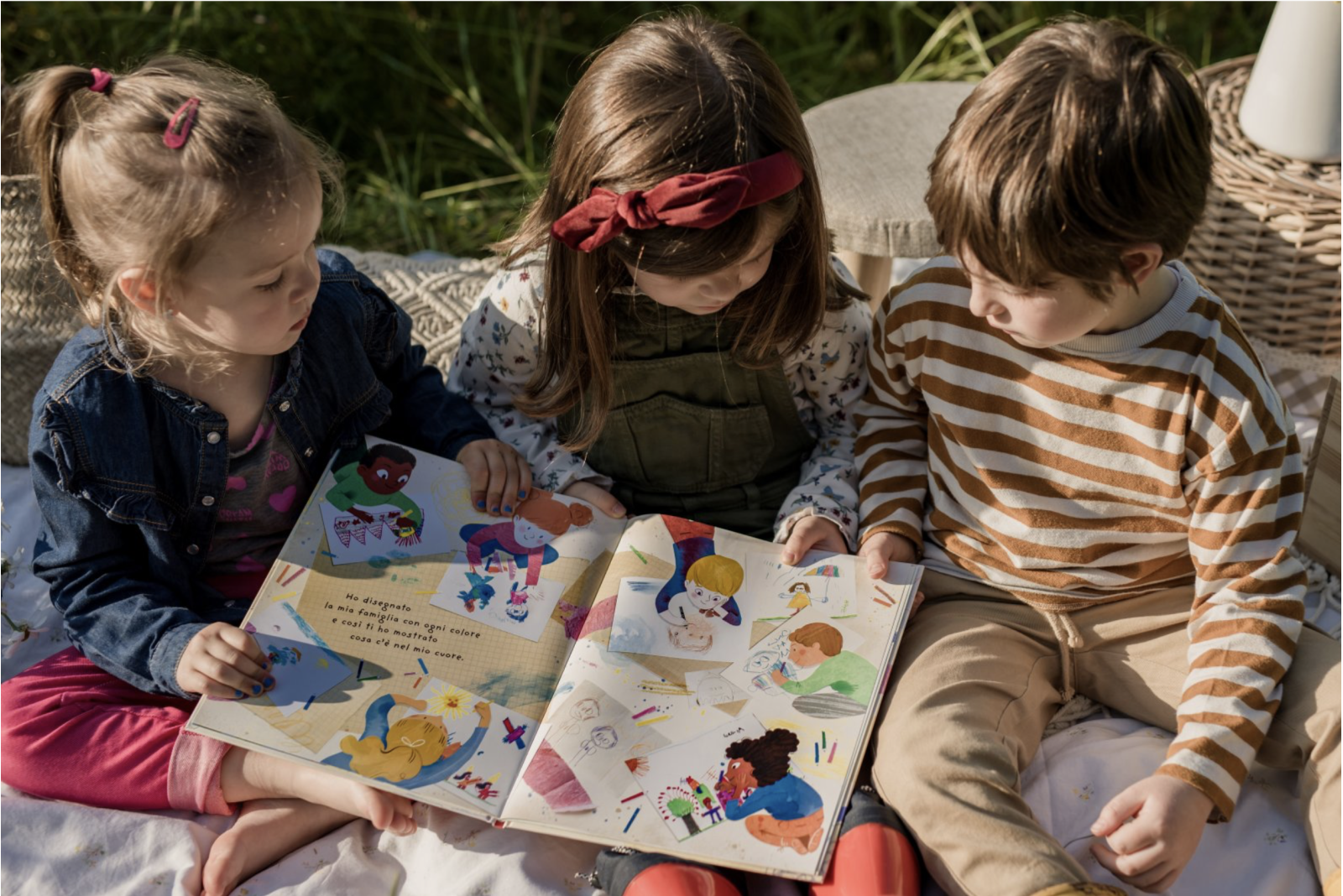
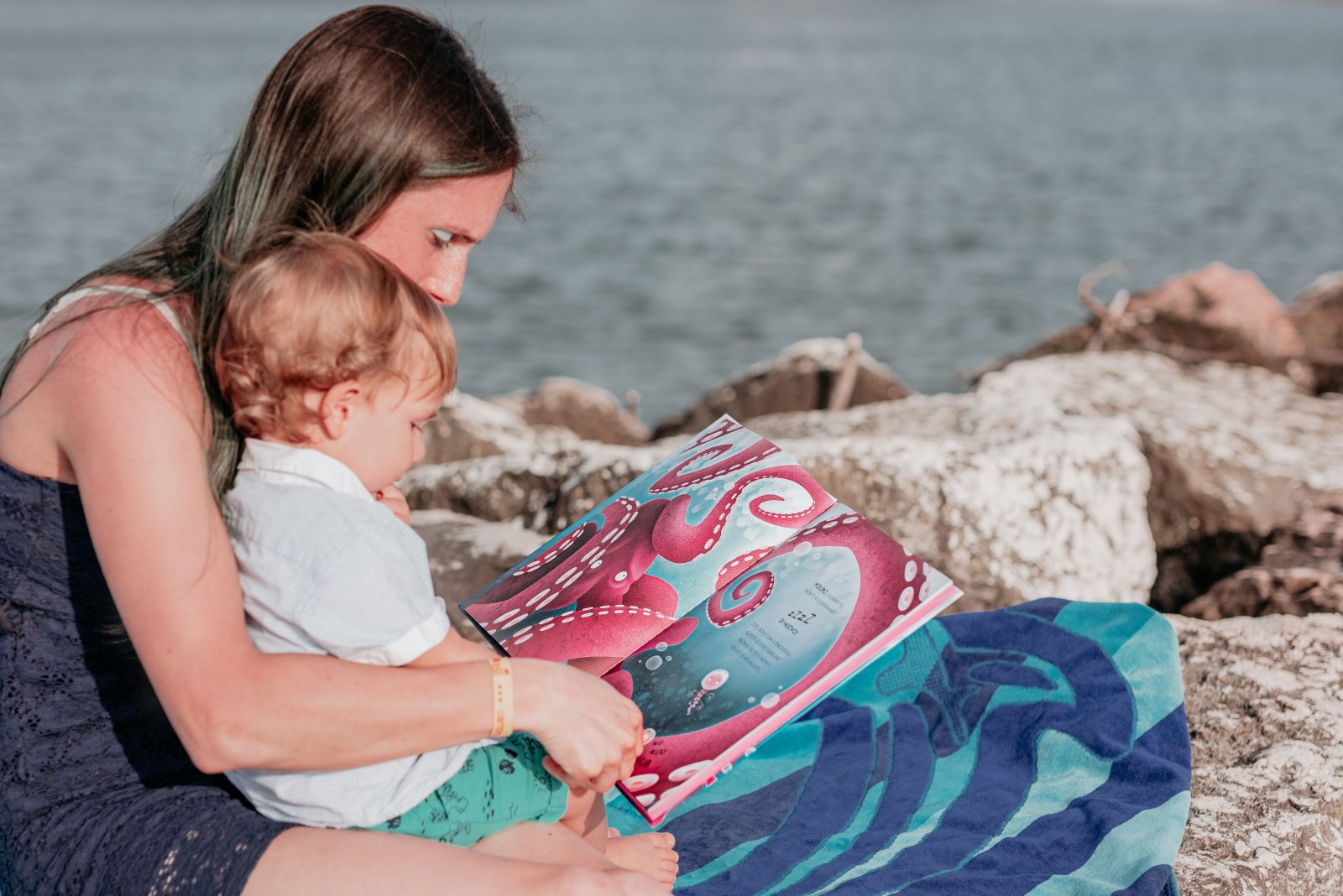
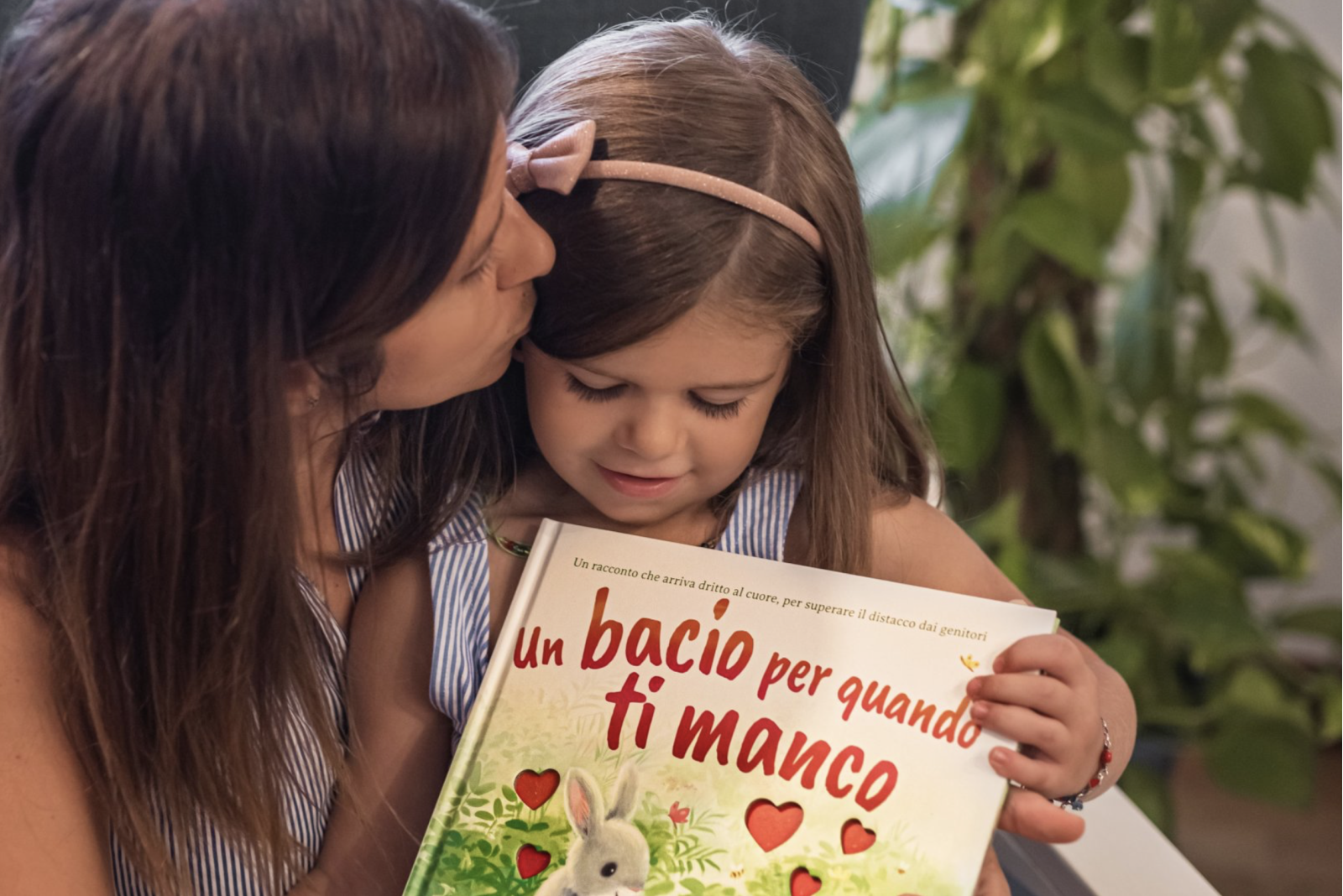
Playing outdoors is fundamental for children’s growth and learning, and outdoor education is an educational method based on this principle. Outdoor education aims to stimulate imagination, encourage creativity, and let children freely explore the nature around them. In this way, they are in a real and stimulating environment where they can experiment with their motor, cognitive, emotional, and social skills.
The Benefits of Outdoor Activities for Children
Playing outdoors has many benefits for children:
-
Supports motor and cognitive development: Spending time outdoors encourages children to be more physically active. Movement is also essential for cognitive development, as the mental effort behind activities stimulates the brain, which in turn benefits learning.
-
Boosts self-esteem and resilience: Children in nature are the protagonists of their actions and learn about their body, potential, and limits. A child who can act independently will grow in confidence and self-esteem.
-
Strengthens the immune system: Outdoor time helps improve health. Being in nature exposes children to fewer viruses compared to indoor environments, and one of the best ways to strengthen immunity is to spend time outside in all weather conditions.
-
Enhances mental and physical well-being: Outdoor play can reduce stress levels and improve mental health. Studies suggest that contact with nature benefits even the youngest children.

Mistakes to Avoid During Outdoor Activities
Although we often tend to protect children more when they are outdoors, no studies show that outdoor environments are more dangerous than indoor ones. Overprotection can backfire, creating a sense of inadequacy, anxiety, and low self-esteem. Parents who are too protective may prevent children from performing necessary activities, depriving them of movement essential for healthy growth.
Strategies for Parents
How to avoid being overprotective parents and prevent the negative consequences of this attitude?
-
Intervene only when necessary. Avoid vague warnings like “Be careful!” Children may not understand what is meant and could be distracted, increasing the risk of accidents. Instead, say: “Watch where you step,” “There’s a hole,” or “I’m here if you need help.” Do not replace them, but accompany them. Obviously, always consider the context: if a child is about to run into the street, the instructions must be adapted accordingly.
-
Do not tell children not to run or get dirty. In a safe natural environment, children should be free to explore. Restricting movement and play is frustrating and counterproductive. Children have the right to move and get dirty.
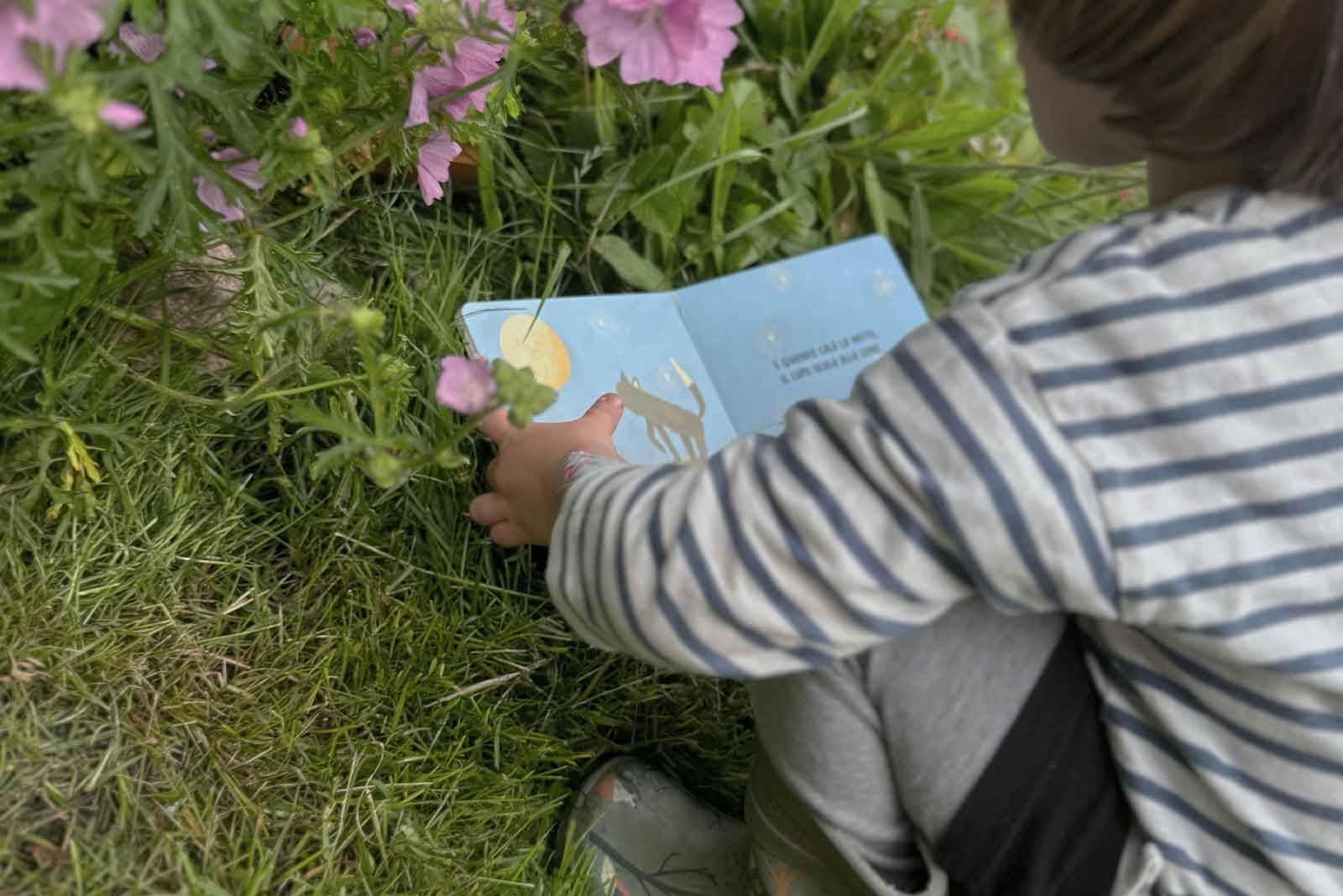
Our Books on Connecting with Nature
Nature is a great ally, and it is important to teach children to love and respect it. One way to educate children about the environment is through books. Here are some illustrated books and activity books to introduce children to outdoor play:
-
Nature, My Friend: A flower-shaped book where children discover small creatures in nature and learn to recognise them.
-
What Do You See When You Look at a Tree: An illustrated book encouraging children to connect with the world around them and cultivate a lifelong love for nature.
-
Moon. The Activity Book: With images to complete, mazes, mosaics, and more, perfect for exploring the wonders of nature at night.
-
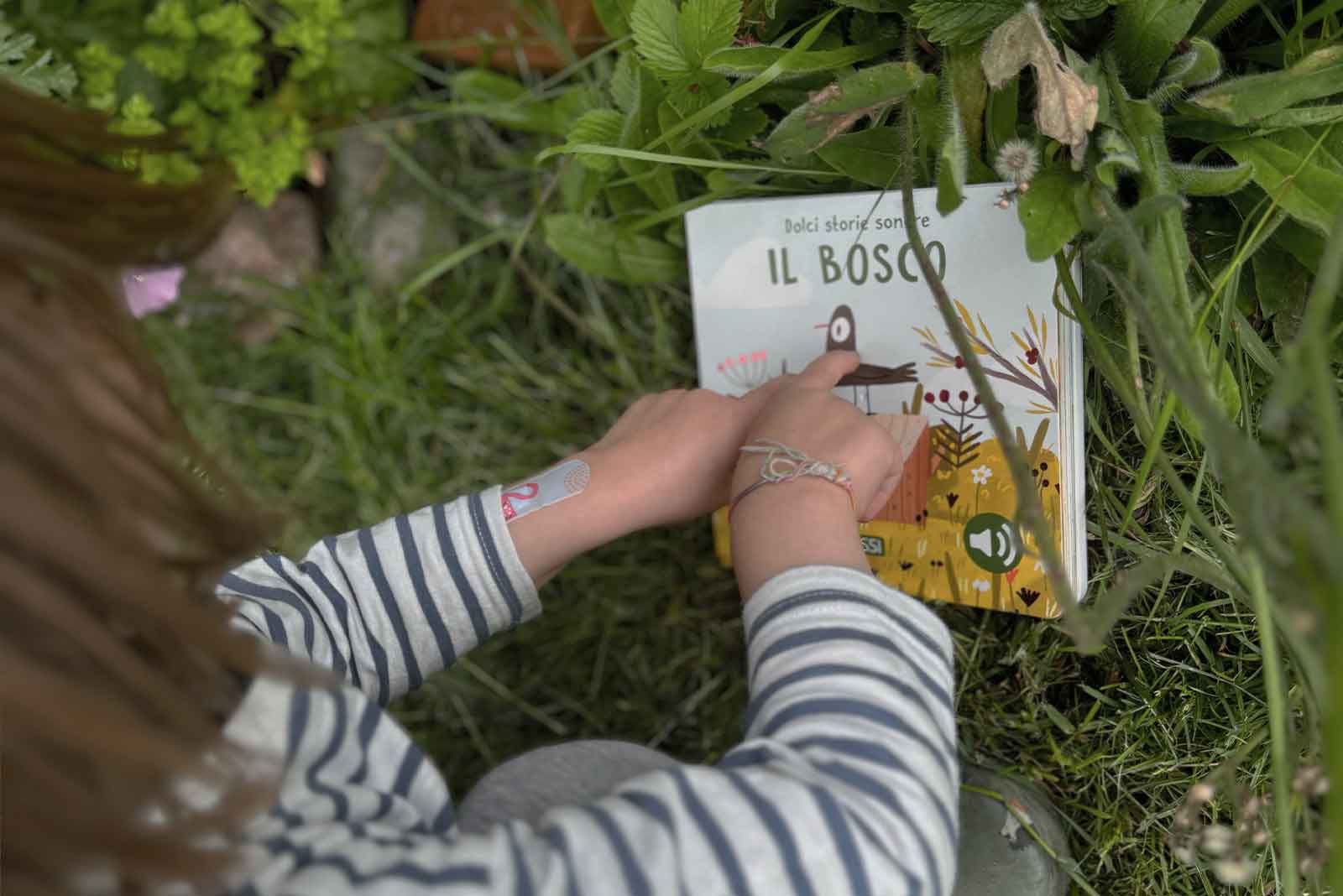
Sweet Sounds Stories. The Woods: A sound book with simple illustrations and six delightful nature sounds to help children get closer to forest animals and their world.
Outdoor activities and play in nature provide countless benefits for children, while teaching respect for the environment and its inhabitants. Parents need to work on reducing overprotectiveness to give children more freedom, which is crucial for their development, future, and the planet.
Related products
Cosa vedi quando guardi un albero?
Old price: €15.90
Price: €12.72
Discount: 20%
Save up: -€3.18
Questo delicato libro illustrato incoraggia i bambini a entrare in contatto...
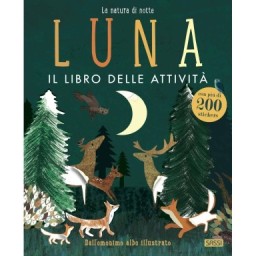
Luna. Il libro delle attività
Old price: €12.90
Price: €10.32
Discount: 20%
Save up: -€2.58
Con immagini da completare, labirinti, mosaici e molto altro, per scoprire e...
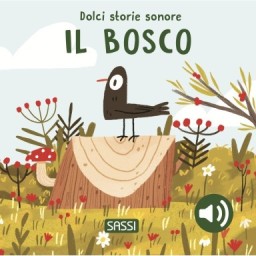
Dolci storie sonore. Il bosco
Old price: €11.90
Price: €9.52
Discount: 20%
Save up: -€2.38
Un libro sonoro con illustrazioni semplici e delicate e sei deliziosi suoni...