Shopping Cart




Father’s Day Without Dad: Ideas and Tips for an Inclusive Celebration
Father’s Day Without Dad: Ideas and Tips for an Inclusive Celebration

Father’s Day is a moment of celebration and affection, but it can be sensitive for children who do not have a traditional father figure. In these cases, it’s important to take an inclusive approach, acknowledging the diversity of family structures.
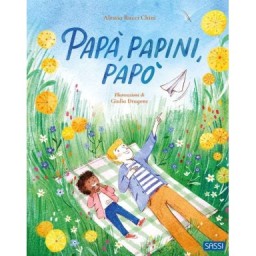
The book Papà, papini, papò provides a valuable tool to normalise and celebrate diverse families, helping children feel welcomed and understood
Father’s Day in Non-Traditional Families
Who can be a father figure?
A father figure doesn’t have to be a biological father. In many families, the emotional reference can be:
-
Uncles
-
Grandparents
-
Older siblings
-
Godparents
-
Family friends
The concept of a “dad of the heart” helps children understand that love and support can come from different people, not only biological parents. Papà, papini, papò explores this theme, offering an open and inclusive perspective on family life.
When the Father Figure is Absent
If a child does not have a father figure, it is essential to handle Father’s Day with sensitivity, avoiding celebrations that might be painful.
-
Ask the child how they feel and what they prefer to do.
-
Respect their emotions and needs.
-
Create a special moment celebrating love and support from all important people in the child’s life.
This way, the day becomes a positive and inclusive experience.

Ideas for an Inclusive Father’s Day
Activities for school and home:
-
Personalised crafts: children can make a small gift or a letter for anyone they consider a special figure.
-
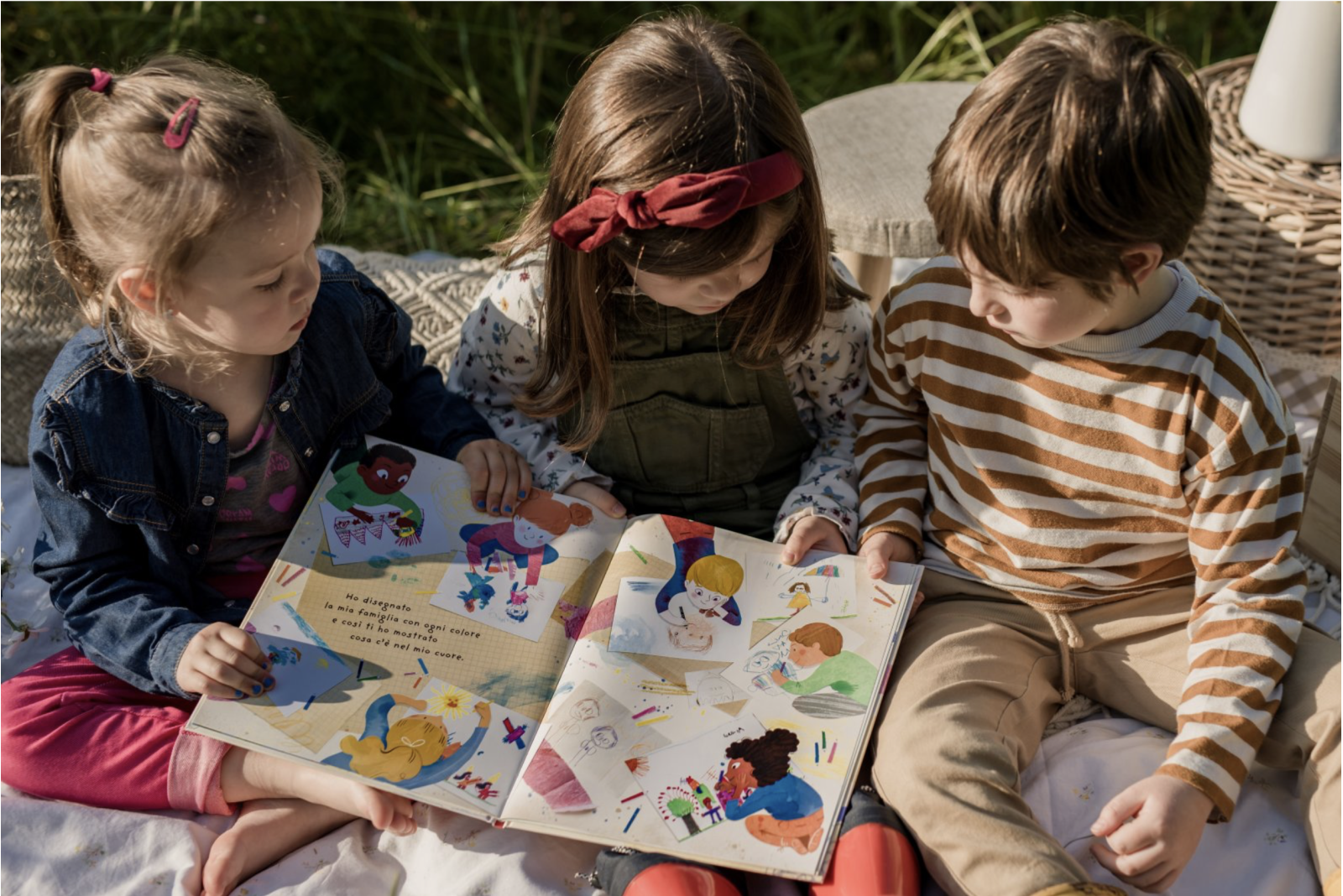
Reading together: reading Papà, papini, papò helps discuss family diversity and ensures all children feel represented.
-
Tree of important people: children draw or write the names of people who are significant in their lives.
Celebrate love and support beyond the concept of “dad”:
-
Write a letter to a special person, whether it’s a grandparent, uncle, or family friend.
-
Create a gratitude journal, noting moments of affection and support from different role models.

How to Talk About Father’s Day with a Child Without a Dad
Language and sensitivity
The way the topic is approached is essential to avoid the child feeling excluded or uncomfortable:
-
Avoid phrases like “We all have a dad” and instead use inclusive alternatives such as “Today is a day to celebrate those who love us”.
-
Listen to the child’s emotions without forcing participation.
The role of books in normalisation
Stories play a crucial role in helping children understand and accept family diversity. Papà, papini, papò is an example of how children’s literature can open a calm and positive dialogue, showing that there is no single model of family.
Including all children in Father’s Day is a gesture of sensitivity and respect. Whether it is a traditional father figure or a “dad of the heart”, what matters is celebrating love and mutual support. Papà, papini, papò is a valuable resource to approach this topic with awareness and serenity, giving children a story about inclusion and affection.
https://youtu.be/430RPq2jyWc?si=kWYyzfGDqNmTGOqC
Related product
Papà, papini, papò
Old price: €16.90
Price: €13.52
Discount: 20%
Save up: -€3.38
Una riflessione sui diversi modi di essere padre, oltre gli stereotipi di...